

『Flow Meter Wastewater Systems: Selecting Non-Clogging Liners and Electrodes for Harsh Slurry Environments』Related information(v cone flow meter|rotary gas meter|gallon meter|gear meter|metal tube rotameter|glass tube rotameter|nutating disk meter|transit time ultrasonic flow meter|wedge flow meter|pd meters|hydraulic flow meter|ultrasonic water flow meter|water flow meter|air flow meter|magnetic water flow meter|oxygen flow meter|gas flow meter|argon flow meter|air velocity meter|gasoline flow meter|fuel flow meter|ultrasonic water meter|digital water meter|nitrogen flow meter|solid flow meter|Oxygen tank flow meter|digital water flow meter|diesel fuel flow meter|steam flow meter|02 flow meter|compressed air flow meter|oil flow meter|liquid flow meter)
Flow Meter Wastewater Systems: Selecting Non-Clogging Liners and Electrodes for Harsh Slurry Environments
Quick Answer: For raw sewage, thickened sludge, or abrasive slurry, select a full-bore electromagnetic flow meter with a polyurethane or PTFE liner and a bulb or removable electrode. Avoid reduced-bore meters and hard rubber liners in heavy slurry. Silver Automation Instruments supplies full-bore magmeters from DN15 to DN2000 for wastewater plants in Southeast Asia, the Middle East, and Latin America.
Why Wastewater Slurries Clog Standard Flow Meters
Wastewater is not clean water. It carries rags, sand, grit, grease, and stringy solids. Standard flow meters with moving parts jam. Orifice plates collect rags. Turbine meters collect string. Some electromagnetic flow meters fail when the liner swells or electrodes coat.
A full-bore electromagnetic flow meter solves most of these problems. The pipe diameter stays unchanged. There is no obstruction. Solids pass through the same bore as the process pipe. Raw sewage normally has conductivity above 500 µS/cm. A full-bore magmeter works well for municipal and industrial wastewater flow measurement.
Liner Selection for Abrasive and Sticky Slurry
Polyurethane liner is the default choice for raw sewage and return activated sludge. It resists abrasion from sand and grit. Typical limits are 65 °C and 16 bar. This liner suits aerobic sludge, raw sewage, and industrial effluent with fine solids.
Soft rubber liner works for abrasive mining slurry and dredge lines. It absorbs particle impact. PTFE liner handles aggressive chemicals and high temperatures up to 120 °C. Use PTFE when the wastewater contains solvents, acids, or cleaning agents that attack rubber. But PTFE is stiffer. It does not resist abrasive particles as well as polyurethane.
Hard rubber liner is economical for clean water and light effluent. Avoid hard rubber for heavy sludge and grit. Solids can cut the liner surface over time.
Electrode Options That Reduce Coating and Fouling
Standard electrodes work in clean wastewater. But grease, polymer, and biological film coat standard electrodes. Coated electrodes cause unstable readings or zero drift. In sludge service, use bulb electrodes or removable electrodes.
Bulb electrodes have a rounded profile. Solids do not cling easily. The moving slurry wipes the surface. We recommend bulb electrodes for raw sewage, sludge, and paper stock. In a wastewater plant in Vietnam, standard electrodes read sludge flow only after chemical cleaning every two weeks. After switching to bulb electrodes with polyurethane liner, cleaning interval moved to six months.
For electrode material, choose 316L stainless steel for most municipal wastewater. Choose Hastelloy C for seawater mixed with sludge or chemical effluent. Choose titanium for salt water and chlorinated effluent. Specify a grounding ring or grounding electrode for plastic or lined pipes.
Sizing and Installation for Sludge and Slurry L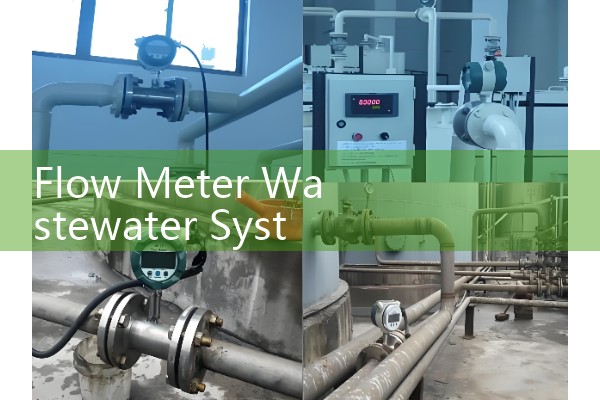
Size the meter for full pipe flow. Aim for velocity of 1 to 3 m/s. Too low velocity lets solids settle in the sensor. Too high velocity wears the liner early. For sludge with 3% to 6% solids, keep velocity near 1.5 to 2 m/s. For raw sewage, keep velocity above 0.8 m/s at minimum flow.
Install the meter on the discharge side of pumps or in a straight run. For sludge lines, place the meter where the pipe stays full. Avoid suction lines and air pockets. Air bubbles cause unstable readings and damage electrode coating. Use a full-bore meter only. A reduced-bore meter narrows the flow path and catches rags and stringy solids.
Recommended Model and Material Pairings
For municipal wastewater plants, the Silver Automation Instruments SIL-MAG 2100 full-bore electromagnetic flow meter is a standard choice. It covers DN15 to DN2000. Accuracy is 0.5% of reading for flow above 0.5 m/s. Output options include 4-20 mA HART, pulse, and RS485 Modbus. Liners include polyurethane, PTFE, soft rubber, and hard rubber. Electrodes include 316L stainless steel, Hastelloy C, titanium, and tantalum.
For hazardous areas, specify Ex d or Ex e approval. We supply ATEX and IECEx versions for Zone 1 and Zone 2. For mining or dredge slurry, specify soft rubber liner and a tungsten carbide electrode option if available.
Frequently Asked Questions
Q: What liner is best for raw sewage with grit?
A: Polyurethane. It resists abrasive particles and handles rags. For temperatures above 80 °C, use PTFE only if the wastewater is not heavily abrasive.
Q: Why do electromagnetic flow meter electrodes coat in sludge?
A: Grease, polymer, and biological film stick to flat standard electrodes. Bulb electrodes have a rounded surface that the flow wipes continuously. Removable electrodes also allow periodic cleaning without removing the meter.
Q: Can I use a reduced-bore magmeter for sludge?
A: No. Reduced-bore meters catch rags and stringy solids. They also increase velocity and liner wear. Use a full-bore meter that matches the pipe diameter.
Q: What flow velocity should I target for slurry?
A: Keep velocity between 1 and 3 m/s. For sludge with higher solids, 1.5 to 2 m/s is good. Too low and solids settle. Too high and the liner wears early.
Q: What approval do I need for wastewater sludge in a hazardous area?
A: Specify ATEX or IECEx certification for Zone 1 or Zone 2. Inform the supplier of the gas group and temperature class. Silver Automation Instruments provides explosion-proof versions for wastewater and chemical plants.
Contact Silver Automation Instruments for a Slurry Flow Meter Quote
Send your pipe size in DN, flow range in m³/h, pressure in bar, temperature in °C, and sludge solids content in %. We will select the liner, electrode, and grounding option for your process.
Tel: +86-25-68650347
WhatsApp: +86-25-52155837
WeChat: +86 15365082610
Website: flow-meter.com.au
 Hot Blog
 Related AD